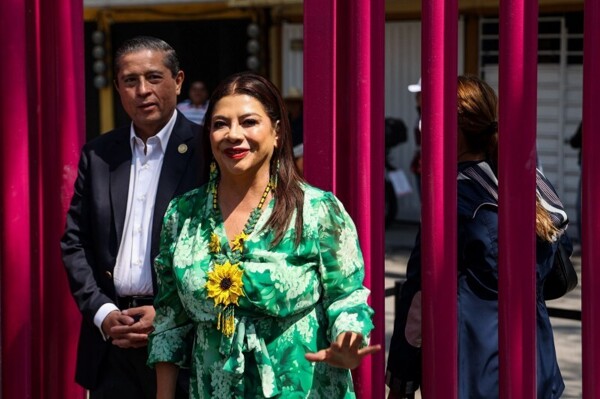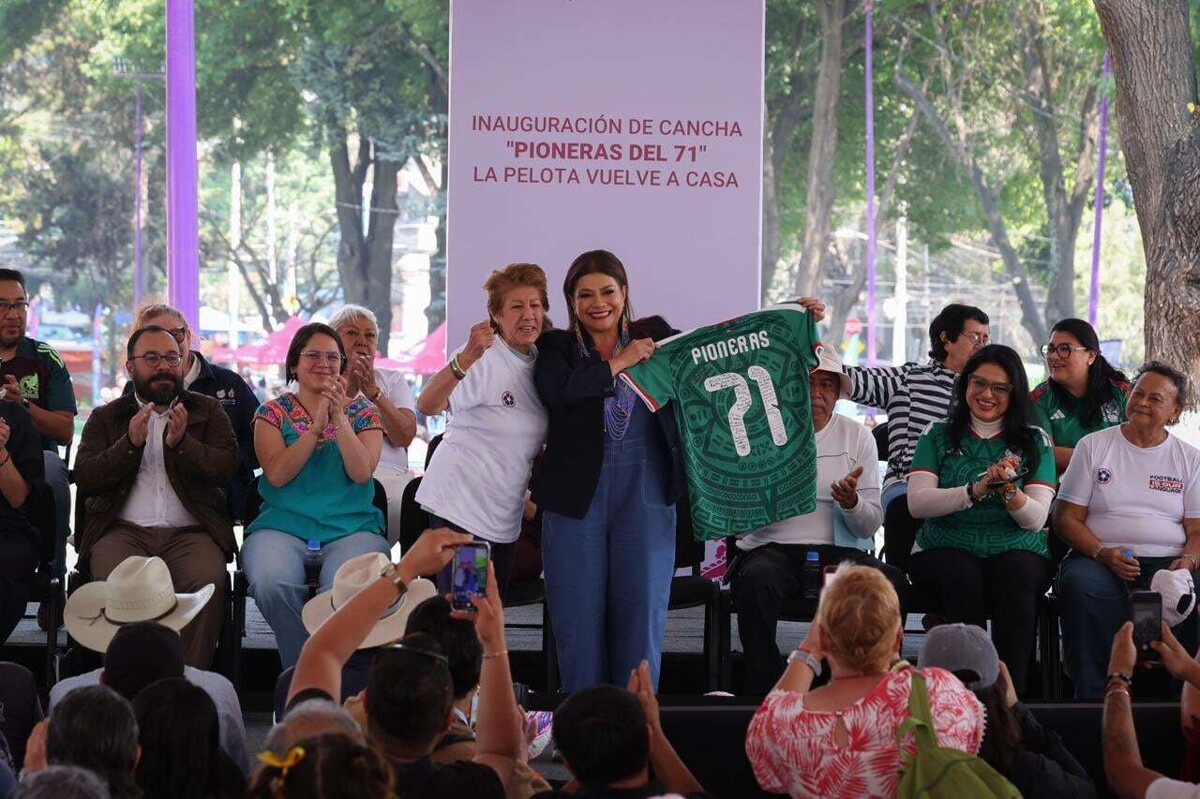
Against all odds, the Mexican women's national football team reached the final of the 1971 World Cup. This extraordinary achievement occurred in a context of immense challenges: the FIFA did not officially recognize women's football as a discipline until twenty years later. The players trained on dirt fields, their story was lost in dusty archives, and they never received the medals they deserved. Yet, their perseverance led them to the world final. The final match between Mexico and Denmark drew 110,000 spectators at the Azteca Stadium, setting a world record for attendance at a women's football match that remains unbroken over half a century later. In anticipation of the 2026 World Cup, the government of Mexico City has decided to honor these pioneers. One of the pitches being renovated has been named 'Pioneers of '71,' and a new pitch at the IMSS social security hospital will also bear the name of one of the players, María de la Luz Hernández. These gestures are profoundly important: what is named, exists. By remembering these athletes, we ensure their names and legacy will never be lost again. Their names—María de la Luz Hernández, María Eugenia Rubio, Elvira Aracén, Bertha Orduña, Irma Chávez, Alicia Vargas 'la Pelé', Lourdes de la Rosa, Patricia Hernández, Sandra Tapia, Yolanda Ramírez, Martha Coronado, Guadalupe Tovar, Silvia Zaragoza—serve as an example for any girl who kicks a ball today.